.png)
Buying a Multi-Family Home in New Haven County, CT

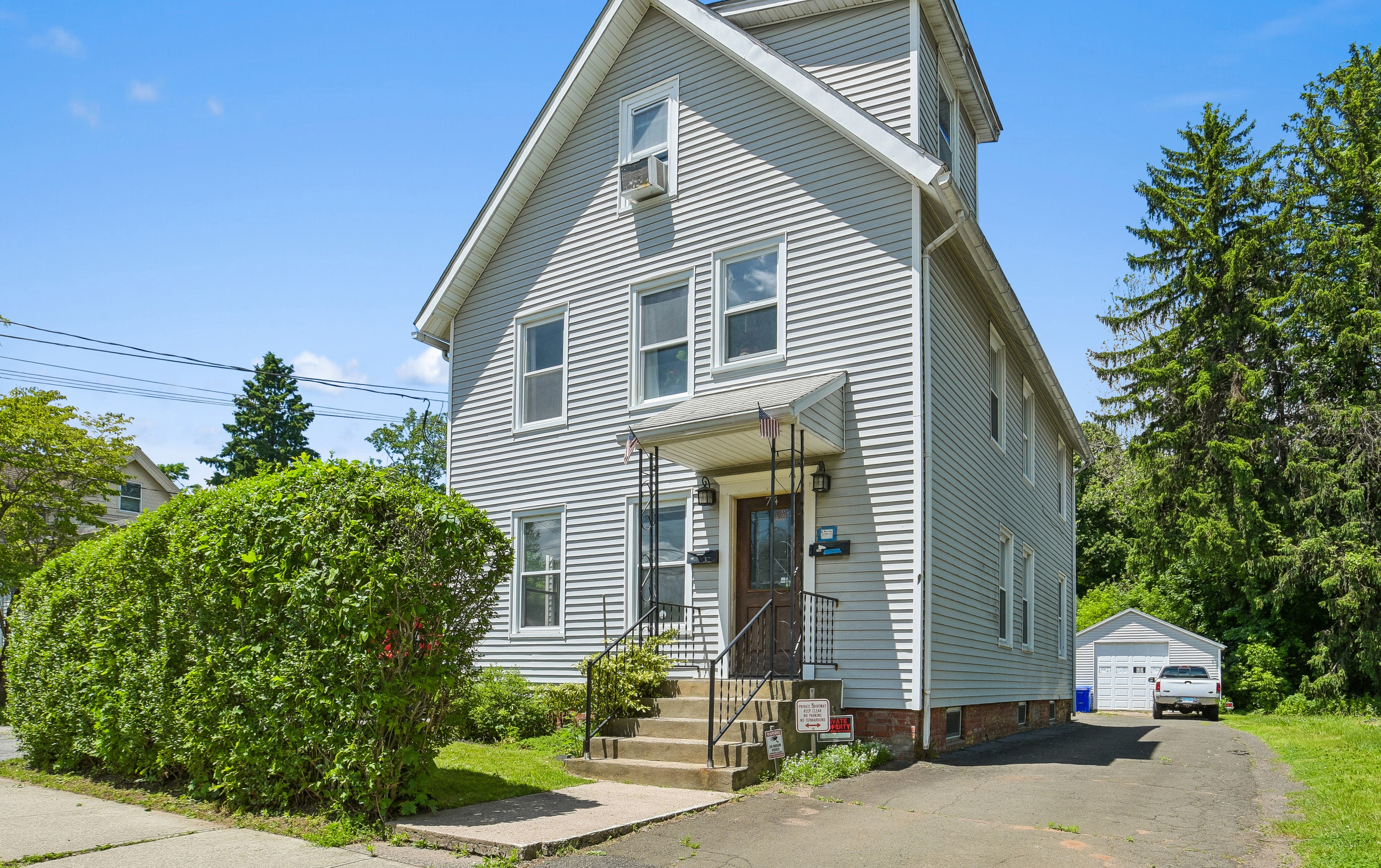
Drive through the older streets near downtown Wallingford and you'll notice something that defines a lot of Connecticut housing: the two-family and three-family home. These buildings have housed local families for generations, and across New Haven County, from Meriden and Hamden to West Haven and Waterbury, they remain one of the most practical ways to buy a home and build long-term wealth at the same time.
Whether you want to live in one unit and rent the others, or you're adding a rental to your portfolio, this guide covers how financing works, which Connecticut landlord rules apply, and what to check before you make an offer.
WHY MULTI-FAMILY HOMES STILL MAKE SENSE IN NEW HAVEN COUNTY
Home values in New Haven County kept climbing through the first half of 2026. Zillow put the typical county home value at about $414,700 as of June 30, up 4.9% from a year earlier, with homes going pending in roughly eight days. For buyers, that means competition. For multi-family owners, it means rental income that helps offset a higher purchase price.
The rental picture is more nuanced. A 2026 report from Institutional Property Advisors noted that new luxury construction pushed vacancy at high-end New Haven apartments close to 7% in 2025, with more units opening this year. The same report pointed investors toward older properties in suburbs with less new construction and lower entry costs. A well-kept two-family in Wallingford, North Haven, or Hamden competes in a very different lane than a new downtown tower.
Location helps too. Wallingford sits on I-91 and Route 15 with a stop on the Hartford Line, so tenants can reach Yale New Haven Hospital, Hartford, and employers along the I-91 corridor without much trouble.
HOUSE HACKING IN CONNECTICUT: LIVE IN ONE UNIT, RENT THE OTHERS
"House hacking" simply means buying a multi-family as your primary residence and letting rent from the other units help cover the mortgage. It's one of the most common ways first-time buyers in Connecticut get into real estate investing.
CONVENTIONAL LOANS WITH 5% DOWN
Since November 2023, Fannie Mae has allowed as little as 5% down on owner-occupied two-, three-, and four-unit homes. Before that change, buyers typically needed 15% to 25%. Lenders will still look closely at reserves, so plan on having several months of mortgage payments in the bank after closing.
FHA LOANS AND THE SELF-SUFFICIENCY TEST
FHA loans allow 3.5% down on two- to four-unit homes you'll live in. The catch for three- and four-families is the self-sufficiency test: projected rents, after a vacancy factor, generally need to cover the full monthly payment. With today's rates, many three-families have trouble passing, which is why conventional financing often works better for larger buildings.
If you're a first-time buyer, also ask your lender whether state assistance applies. Our guide to Connecticut first-time homebuyer programs covers the CHFA basics.
CONNECTICUT LANDLORD RULES EVERY NEW OWNER SHOULD KNOW
Connecticut has some of the more detailed landlord-tenant rules in New England, and several changed recently. A few that matter most:
Security deposits. Landlords can collect up to two months' rent, or one month for tenants 62 and older. Deposits earn interest, and the Connecticut Department of Banking set the 2026 rate at 0.49%. After a tenant moves out, you have 21 days to return the deposit with interest or send an itemized list of deductions, or you could owe double.
Move-in charges. Since October 2023, Connecticut landlords can collect only first month's rent, the security deposit, a deposit for keys or special equipment, and a tenant screening report fee capped at $50. Application fees and move-in or move-out fees are not allowed.
Fair rent commissions. State law requires larger towns to have a fair rent commission where tenants can challenge excessive rent increases or poor conditions. Wallingford's Town Council formed one in 2024.
Existing tenants. Leases stay in place when a property sells. Before closing, ask for a rent roll, copies of every lease, and confirmation of each tenant's deposit. In Connecticut, your closing attorney will handle transferring those deposits to you.
WHAT TO INSPECT IN AN OLDER CONNECTICUT TWO-FAMILY
Much of New Haven County's multi-family housing was built in the early 1900s. Character is part of the appeal, but so is due diligence:
Separate utilities. Confirm each unit has its own electric meter and, ideally, its own heating system. In Wallingford, electricity comes from the town-owned Wallingford Electric Division, so check meters with them directly.
Heating and oil tanks. Find out the age of each boiler or furnace and whether there are any buried or older oil tanks.
Lead paint. Homes built before 1978 require a federal lead paint disclosure, and lead hazards matter if young children will live there.
Legal unit count. Check the town's building and zoning records to confirm the property is legally a two- or three-family. An "in-law" third unit that was never permitted can create lending and insurance problems.
Porches, roofs, and stairs. Stacked porches and exterior stairs on older multi-families take a beating in Connecticut winters. Our fall home maintenance checklist covers the seasonal basics.
HOW TO RUN THE NUMBERS BEFORE YOU OFFER
Start with what the units actually rent for today, then compare that to market rent for similar units nearby. Factor in property taxes, which vary widely from town to town since Connecticut assesses at 70% of market value and every town sets its own mill rate. Add insurance, water and sewer, routine maintenance, and a vacancy cushion. A property that only works when every unit is rented every month is not a strong deal.
WHERE MULTI-FAMILY HOMES TURN UP AROUND CENTRAL CONNECTICUT
In New Haven County, look in Wallingford (including Yalesville), Meriden, Hamden, West Haven, East Haven, Waterbury, and New Haven neighborhoods like Fair Haven and East Rock. In Middlesex County, Middletown has a solid supply of older two-families. In Hartford County, New Britain and Bristol are worth a look for buyers who want lower entry prices.
LOOKING FOR AN EXPERIENCED WALLINGFORD REALTOR FOR INVESTMENT PROPERTY?
Wesley Krombel is a Connecticut Realtor and Associate Broker with Real Broker LLC, born and raised in Wallingford, where he now raises his own family. He has been licensed for more than eight years and works with buyers, sellers, investors, landlords, and tenants throughout New Haven County, Middlesex County, Hartford County, and across Connecticut.
Multi-family and investment properties are one of his core areas of focus, alongside first-time buyers, new construction, and luxury listings. He averages more than 30 transactions a year, which means real, recent experience with rent rolls, multi-unit inspections, and investor financing in this market.
YOUR NEXT STEP TOWARD OWNING INCOME PROPERTY
If you're weighing a two-family in Wallingford, a three-family in Meriden, or your first rental anywhere in Connecticut, a short conversation can save you from an expensive mistake. Reach out to Wesley Krombel to talk through your budget, financing options, and the neighborhoods that fit your goals.
FREQUENTLY ASKED QUESTIONS
Can I buy a multi-family home in Connecticut with 5% down?
Yes, if you'll live in one of the units. Fannie Mae conventional loans allow 5% down on owner-occupied two- to four-unit homes, and FHA allows 3.5% down, though three- and four-unit FHA purchases must pass a self-sufficiency test.
How much can a landlord charge for a security deposit in Connecticut?
Up to two months' rent, or one month for tenants age 62 and older. Deposits must earn interest and be returned within 21 days after move-out, minus any itemized deductions.
Can Connecticut landlords charge an application fee?
No. Landlords can charge for a tenant screening report, capped at $50, but not a separate application fee or move-in fee.
Is Wallingford, CT a good place to own a rental property?
Wallingford offers access to I-91, Route 15, and the Hartford Line, a stock of older two- and three-family homes, and less new apartment construction than downtown New Haven. Whether a specific property works depends on its price, condition, rents, and taxes.
Who helps buyers find multi-family homes in Wallingford and New Haven County?
Wesley Krombel is a Wallingford-based Realtor and Connecticut real estate associate
broker who works with multi-family buyers and investors throughout New Haven County, Middlesex County, Hartford County, and the rest of Connecticut.


Comments